



Objets trouvés
For this holiday season, we have curated a unique selection of artworks, objects and books that celebrate everyday life and reveal the artistic potential of the objects that surround us.
This presentation features pieces by Philippe Weisbecker, Nigel Peake, Luca Resta, David Horvitz, Daniel Gustav Cramer, Anna Paul, Claude Closky, Elsa Werth, Pierre Charpin, Jeanne Tresvaux du Fraval, My-Lan Hoang-Thuy, Jean-Charles Blais, Aona Hayashi, Saskia de Brauw, Romain Laprade, Isabell Heimerdinger, Anna Paul, Mathieu Steinberg and Nathalie du Pasquier. You will also discover works by Tsuyoshi Yazawa, Kenji Ide, Riko Kinoshita, Masanao Hirayama, Yu Yoshida, as well as Enzo Mari, Bruno Munari, and a Joseph Beuys plaque and more.
The selection is completed by a specialized book collection and authentic found objects: children's drawings, anonymous photos, and secondhand books.

For several years, I painted still lifes. I arranged the objects to be depicted very precisely (see the book I made with Leonard Koren, Arranging Things). The tray with legs dates from the period when I made that book, but for me it is new because, unlike all my other compositions, which were destroyed once the painting was finished, this composition was never depicted and was the first to be glued down, the following year for my work at CRAFT. I glued the ceramics onto wooden bases.
The other two compositions could be called details of my studio, because the objects in them are always arranged according to what I might call my "installation" mania!
— Nathalie Du Pasquier


Leonard Koren - Arranging Things: A Rhetoric of Object Placement


Leonard Koren - Arranging Things: A Rhetoric of Object Placement

The Cubo ashtray, designed in 1957 by Bruno Munari for Danese Milano, has become a classic of Italian design. Munari sought to reinvent the traditional ashtray by concealing cigarette butts and ashes, in order to create a clean and discreet object. Its design is based on two simple elements: a cubic shell and an inclined metal blade that allows ash to fall inside and extinguishes cigarette butts.
The Cubo embodies Munari's approach: an essential form serving a specific function. A multidisciplinary artist and designer, Munari always favored clear and experimental solutions. When it was released, the object broke with the usual open ashtrays. Today, it is recognized as a design icon and features in major collections, notably at MoMA.

Enzo Mari (Novara, 1932 – Milan, 2020) is considered one of the major figures of 20th-century Italian design. Artist, designer, graphic designer, and theorist, he consistently defended a rigorous, socially engaged approach to design, based on clarity of form and honesty of materials. His work has had a lasting influence on modern design.
His collaboration with Danese Milano marked a particularly productive period of experimentation. During this time, he developed objects that became icons, positioned between function, pedagogy, and sculpture.
Among them, Calendario Bilancia is a wall calendar built on the principle of balance. It consists of thin wooden strips printed with days, dates, and months, sliding around a central pivot. The user must manually adjust the date every day, making the passage of time both visible and tangible. By reinterpreting the logic of a scale, Mari transforms an everyday object into a poetic reflection on time, measurement, and gesture.
Books


Soetsu Yanagi - The Beauty of Everyday Things


Leonard Koren - Arranging Things: A Rhetoric of Object Placement

Leonard Koren - Wabi-sabi - pour aller plus loin


Artworks


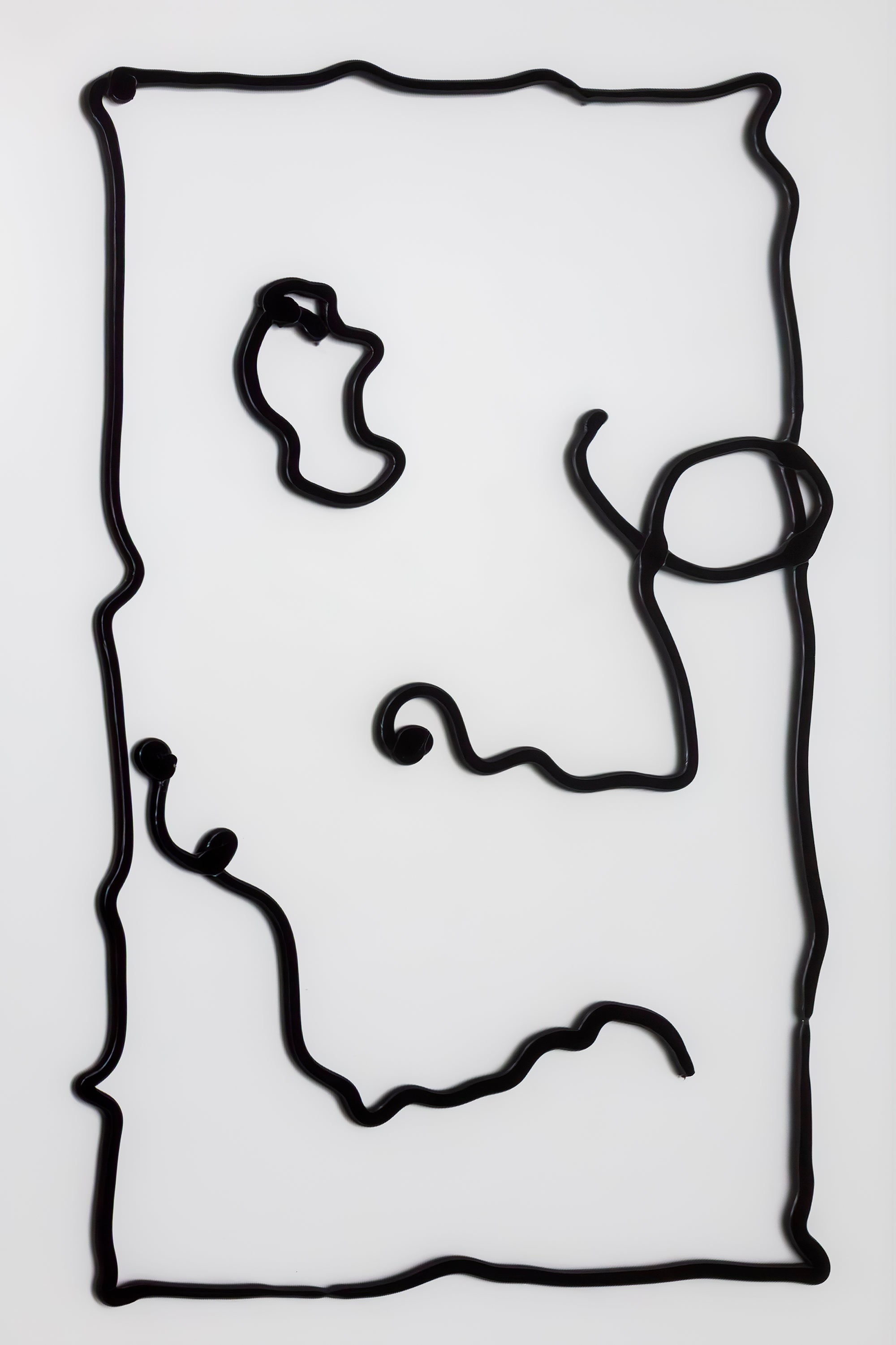
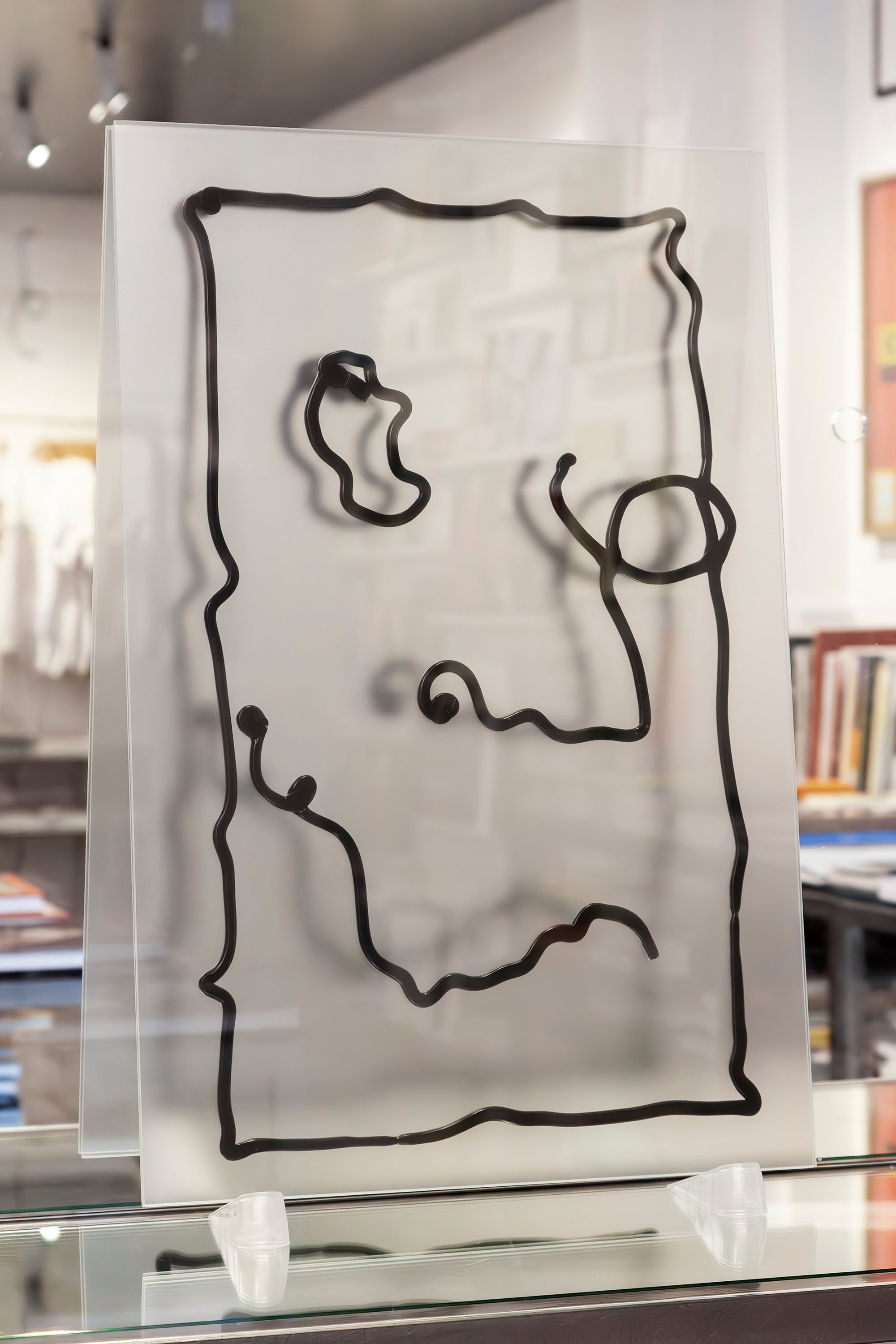
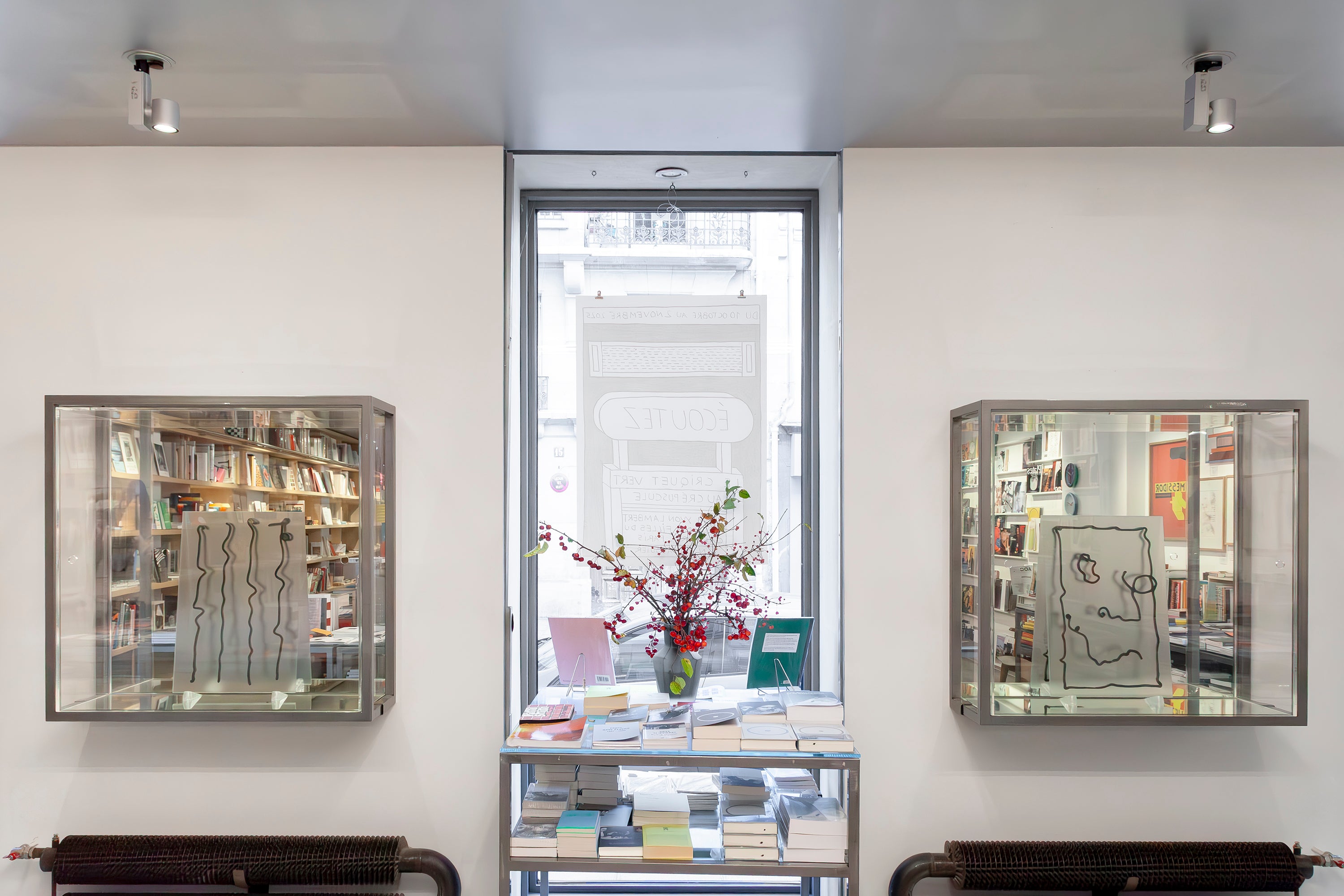
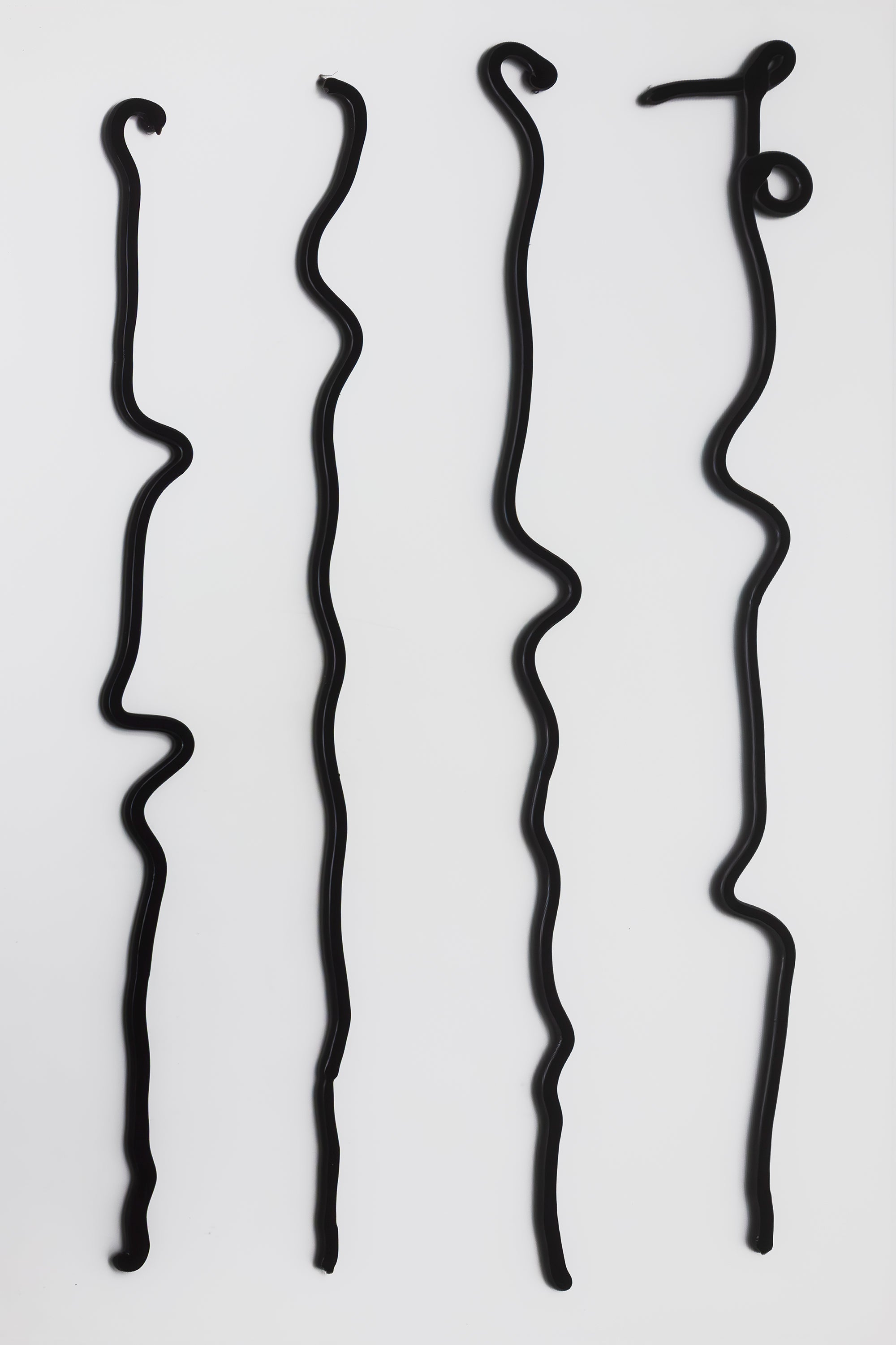
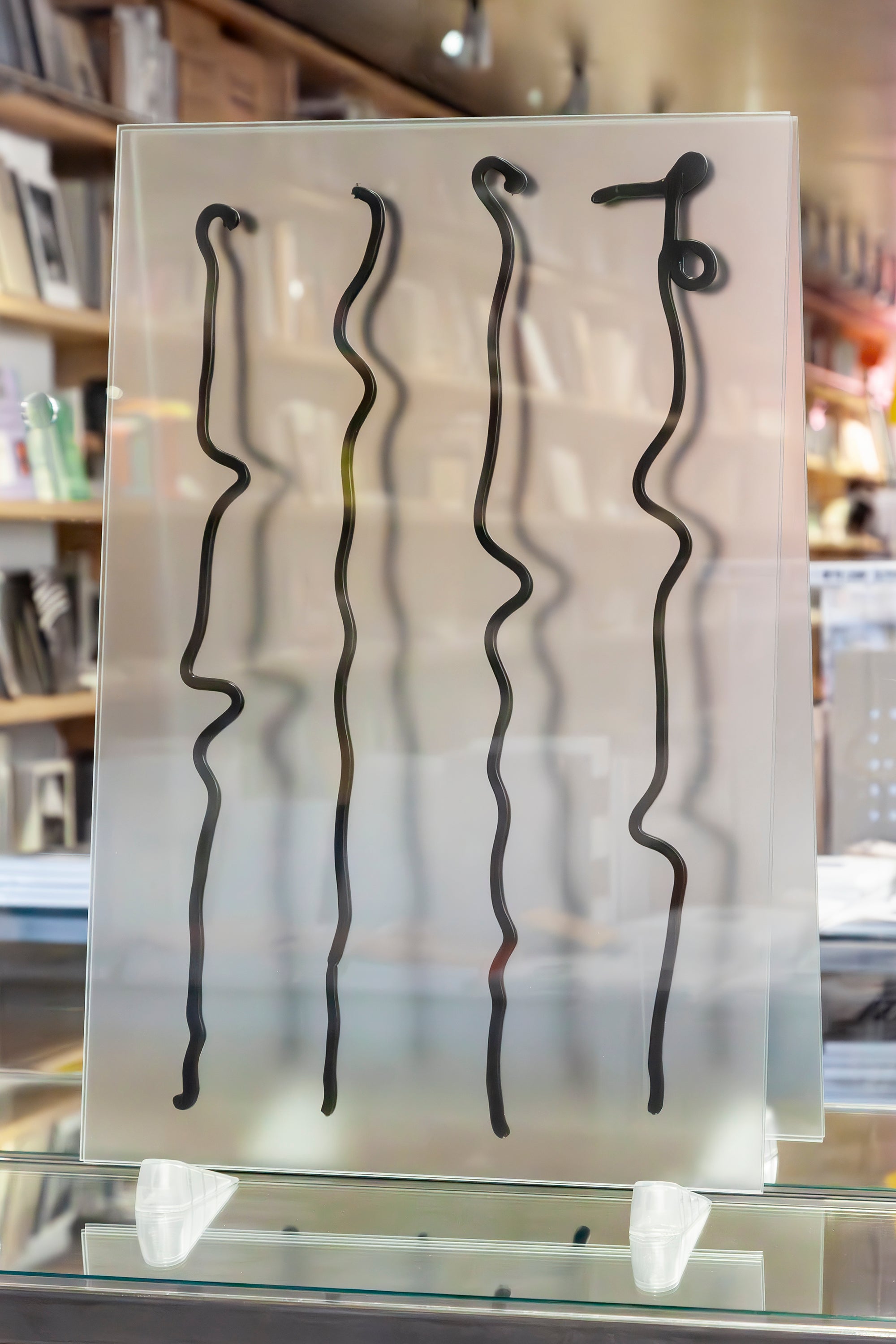


MONUMENTS // Comus temple blocks #10, 2024


Luca Resta
MONUMENTS // Comus temple blocks #10, 2024


found object joined with tape (no.030), 2024

tsuyoshiyazawa
found object joined with tape (no.030), 2024


-
Bruno Munari
Emozioni, 1995 -
Bruno Munari - Ireland -
Bruno Munari - Cubo -
Enzo Mari - Ameland -
Enzo Mari - Calendario Bilancia -
Enzo Mari - Autoprogettazione? -
Enzo Mari - 25 façons de planter un clou -
Soetsu Yanagi - Beauté du Mingei -
Soetsu Yanagi - The Beauty of Everyday Things 
Soetsu Yanagi - The Beauty of Everyday Things
€17.50 -
Nicolas Trembley - Craft -
Leonard Koren - Arranging Things: A Rhetoric of Object Placement 


Leonard Koren - Arranging Things: A Rhetoric of Object Placement
€45.00 -
Nathalie Du Pasquier - So Many Real Things -
Leonard Koren - Wabi-sabi - pour aller plus loin 
Leonard Koren - Wabi-sabi - pour aller plus loin
€16.50 -
Rahel Zoller - Last Pages -
Erik Kessels & Karel De Mulder - MAN -
Elsa Werth - Lost and Found, 2023 -
Masanao Hirayama
S / M / L, 2025 -
Masanao Hirayama - 玉 (9812), 2023 -
Masanao Hirayama - 玉 (10082), 2025 -
Masanao Hirayama - 玉 (10083), 2025 -
Anna Paul Correct/Incorrect, 2025 -
Anna Paul
Correct/Incorrect, 2025 -
David Horvitz - Time Signal -
Philippe Weisbecker
Brosses (2), 2024